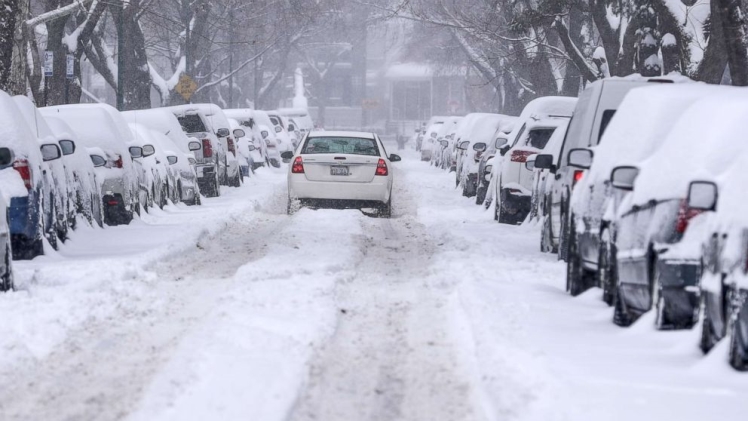
1. Prepare your Vehicle: Before starting your journey, make sure your vehicle is in good working order masstamilanfree. Make sure all your lights are working and the tires are properly inflated. Check to make sure all of your fluids are at their proper levels and that your windshield wipers are in good condition.
2. Make Sure You Have an Emergency Kit: Make sure your vehicle is stocked with an emergency kit that includes a first aid kit, a flashlight and batteries, a blanket, and other items like a bag of sand or kitty litter, which may be used to help provide traction if you get stuck in the snow mallumusic.
3. Slow Down: Driving in winter weather can be dangerous and it is important to take extra caution by driving slower than you normally would. Snow and ice can make roads slippery and reduce visibility, so it is important to give yourself plenty of time to reach your destination.
4. Avoid Cruise Control: Cruise control can be dangerous in winter weather, as your tires may slip on icy roads and cause you to lose control newshunttimes.
5. Increase Following Distance: Increase the amount of space between you and other vehicles on the road. This will give you more time to react if the vehicle ahead of you brakes suddenly timesweb.
6. Be Aware of Black Ice: Black ice is a thin layer of ice on roads that is difficult to detect, as it is often the same color as the road. Be on the lookout for patches of ice and give yourself extra time to brake if you do encounter black ice newmags.
7. Avoid Braking Suddenly: Sudden braking can cause you to skid and lose control of your vehicle. If you need to slow down, do so gradually by taking your foot off the gas pedal.
8. Know When to Pull Over: If the weather is too severe, it is best to pull over and wait for conditions to improve. Do not risk your safety by continuing to drive in hazardous conditions alltimesmagazine.
Tips for Driving in Winter Weather
 By Jack