

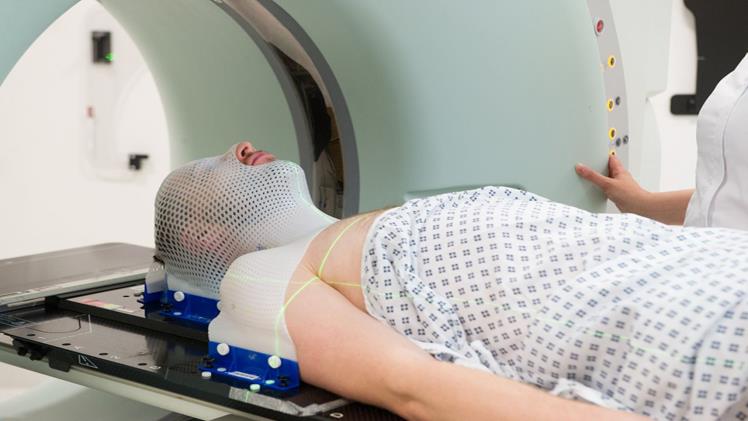
Cancer is a disease that affects millions of people worldwide and can be one of the most challenging illnesses to manage. While the primary goal of radiation oncology is to cure cancer, radiation therapy can also provide significant relief from cancer symptoms and improve the quality of life for patients who are in palliative care. Radiation oncology plays a vital role in cancer treatment, using high-energy radiation to destroy cancer cells and shrink tumors. Palliative care addresses the physical, emotional, and spiritual needs of patients with serious illnesses. Here are some ways through which a radiation oncologist Phoenix contributes to palliative care:
Pain management
One of the most common cancer symptoms is pain, which can be debilitating and difficult to manage. Radiation therapy can be used to relieve pain caused by tumors that are pressing on nerves or other organs.
Symptom relief
In addition to pain, cancer patients may experience other symptoms, such as fatigue, nausea, and shortness of breath. Radiation oncologists can use radiation therapy to target specific body areas to relieve these symptoms. For example, radiation therapy can shrink lung tumors, improve breathing and reduce shortness of breath.
Emotional support
Radiation oncologists understand that cancer treatment can be a difficult and emotional journey for patients and their families. They work closely with other palliative care team members, such as nurses and social workers, to provide emotional support and counseling to patients and their families. Radiation oncologists can also help patients and their families navigate difficult treatment decisions and provide information about end-of-life care.
Coordination of care
Palliative care is a team-based approach, and radiation oncologists work closely with other care team members to ensure that patients receive the best possible care. They collaborate with primary care physicians, oncologists, nurses, social workers, and other healthcare professionals to develop a comprehensive care plan that addresses the patient’s physical, emotional, and spiritual needs.
Depending on the type and stage of cancer, as well as the patient’s overall health, a radiation oncologist may recommend one or more of the following treatment options:
- External beam radiation therapy: This is the most common type of radiation therapy, which uses a machine to deliver high-energy radiation to the affected body area. It is typically given over several weeks, with each treatment session lasting only a few minutes.
- Brachytherapy: This type of radiation therapy involves placing a radioactive source directly inside the body, either temporarily or permanently. It is commonly used to treat prostate, gynecologic, and certain types of head and neck cancers.
- Stereotactic body radiation therapy (SBRT): This type of external beam radiation therapy uses advanced imaging techniques to deliver high doses of radiation to the tumor while sparing nearby healthy tissues. SBRT is a good option for patients who cannot undergo traditional external beam radiation therapy.
If you or a loved one is facing a cancer diagnosis and needs palliative care, it is advisable to visit Arizona Center for Cancer Care to seek the advice of a qualified radiation oncologist.
