

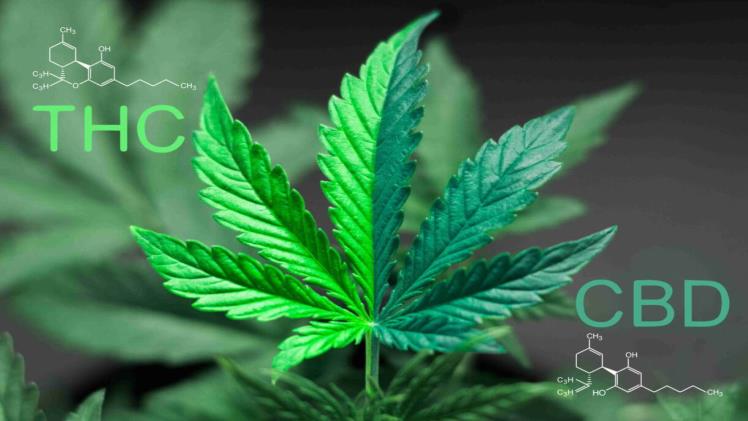
Characterizations of Delta-9 THCP distillates using high-resolution mass spectrometry (HRMS) show that THCP is 33 times more potent than Delta-9 THC, despite sharing the same name. The difference in potency comes down to the length of the alkyl side chain, which is 33 times longer. The longer the side chain, the stronger the psychoactive effects. It has a higher affinity for binding to receptors and can be combined with other cannabinoids and natural botanical terpenes to produce blends. To learn more information, you can check this https://www.stateofmindlabs.com/store/d9-thcp/ link.
THCP is a cannabinoid
Delta-9 THCP is a cannabinoid with similar effects to D9 THC but much more robust. It binds to CB1 receptors in the brain, reducing anxiety and short-term memory while increasing relaxation and appetite. It also has therapeutic benefits for treating physical discomfort and bodily tension.
Although this cannabinoid has not been extensively studied in human trials, many say it has more potent effects than THC. It binds to CB1 receptors with 33 times the affinity of THC. Because of this, it is also thought to produce a more intense high. However, it is best to start with a low dose of THCP, as it can cause unpleasant side effects.
While THCP is still a relatively new compound, it is more potent than THC and is an excellent alternative for those who don’t want the high associated with THC. However, it is still worth researching before you purchase it. It’s essential to ensure it’s sourced from a reputable vendor and comes from a third-party laboratory.
It is 33 times stronger than THC.
THCP is a new cannabinoid found in cannabis. It has a potency of 33 times that of THC and is the perfect candidate for companies looking to create psychoactive cannabis extracts. It was discovered by accident as scientists were looking at the chemical profile of the FM2 strain of marijuana. Researchers noticed some abnormal findings and then used high-performance mass spectrometry to discover what these molecules were.
While Delta-9 THCP distillates are 33-fold more potent than THC, there is some overlap between the two. Delta-9 THC is less bioavailable than Delta-9 THCP. Delta-9 THC is also less stable than HHC, as its carbon ring has two extra hydrogen atoms than HHC. This makes delta-9 THC less bioavailable than HHC, but it’s still an effective psychoactive ingredient for many recreational and medical products. If you’re worried about side effects, look for a different cannabis product.
It has powerful psychoactive effects.
Delta-9 THCP distillates have potent effects on the human mind and body and are often misunderstood. They are considered Schedule I drug by the Drug Enforcement Agency (DEA). This means that Delta-9 THCP is associated with substances such as heroin, LSD, and cocaine – all of which are illegal. Despite this, many states have legalized marijuana for recreational use and approved THC products for medical use.
When taken in excess, THC has an addictive effect on the body. Overdose can cause disorientation, anxiety, and panic. It is important to note that the Delta-9 THC high is not a one-size-fits-all cannabinoid and affects people differently. For this reason, it is essential to experiment with a small dosage and take it in a safe environment.
It is produced from hemp.
Characterizations of Delta-9 THCP distillates using high-resolution mass spectrometry have been described for the first time. This research demonstrates that D9 is not the only component of hemp plants that can exhibit psychoactive effects. Moreover, Delta-8 is also present in small amounts, making its isolation easier. As a result, it is a viable alternative to Delta-9 THC.
The chemistry of cannabis is complicated, containing terpenes, carbohydrates, fatty acids, fatty acid esters, phytosterols, phenolic compounds, and non-psychotomimetic cannabinoids. These compounds have been associated with antioxidant and neuroprotective effects.
It is used as a pain reliever.
This study investigated the efficacy of Delta-9 THCP distillates as a pain reliever. Delta 9-THC was administered in four subjects to reduce pain intensity. Pain intensity was measured using a numeric rating scale. Patients before delta 9-THC treatment reported NRS 6 on average, whereas patients following delta 9-THC administration reported an NRS of 5.6.
In this study, delta-9-THC was associated with pharmacological effects in male subjects. These subjects smoked cannabis and tobacco-containing up to 69 mg of THC. The subjects reported a reduction in pain intensity, a significant improvement in mood and quality of life, and a decrease in the use of concomitant opioid medication.
