

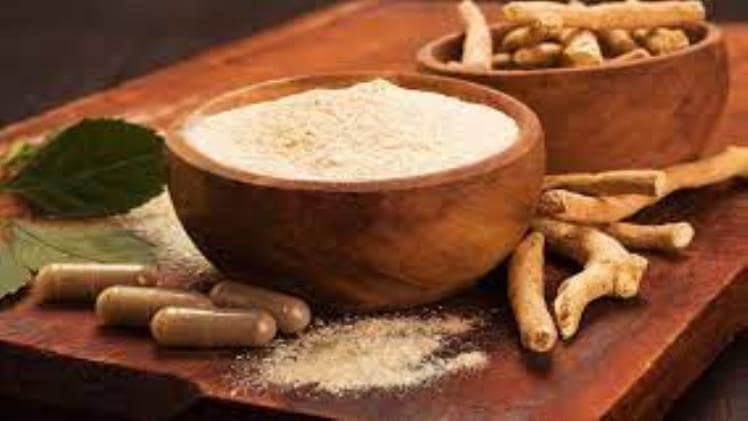
How long does ashwagandha take to work? The effectiveness of ashwagandha depends on several factors, including existing health conditions and the quality of the herb. Those with major health issues will not experience the same benefits as those with smaller problems. Furthermore, the more powerful the herb, the longer it will take to work. The biological composition of ashwagandha can also play a role in its effectiveness. Modern medicine uses the process of isolating and concentrating certain compounds to make medicines.
Common side effects
According to reports, about 50 to 70 million people suffer from some type of insomnia. Although some insomnia is associated with predisposing medical conditions, the vast majority is due to our hectic lifestyles. Ashwagandha has been used in India and other Asian countries for centuries. Despite these concerns, several studies have found that Ashwagandha can help people treat their sleep problems. Here are some of the most common side effects associated with Ashwagandha.
A common side effect of ashwagandha is drowsiness, which can make it difficult to complete daily tasks and can pose a danger when driving. If you are currently taking a sedative, such as benzodiazepines or barbiturates, you may experience drowsiness or difficulty sleeping. If you’re taking these drugs, it is important to talk to a healthcare professional before taking ashwagandha supplements.
Side effects of ashwagandha
Although ashwagandha is a very popular herb and has a long history in alternative medicine, it has a long list of side effects if you use it a long time can intrigue your Fasting. Excessive ashwagandha consumption can cause several negative effects, including abortion, low blood sugar, and lowered immune function. Excessive ashwagandha intake can also worsen hyperthyroidism or lead to autoimmune disease. To reduce your risk of experiencing side effects, buy ashwagandha supplements from a reliable manufacturer and talk to your doctor before taking them.
Ashwagandha may increase your body temperature. While this isn’t a serious side effect, you should monitor your body temperature every day to prevent any unwanted reactions. If you feel your body temperature is abnormally high or too low, consult a doctor immediately. In addition, some people experience bleeding during the first few days of taking ashwagandha, especially if they are suffering from bleeding disorders. Additionally, ashwagandha may cause dry mouth. While there is no concrete research to support this claim, it is important to monitor your oral health before taking any supplement.
Efficacy
A recent study published in the journal Phytotherapy Research examined the efficacy of ashwagandha in the treatment of irritable bowel syndrome. Researchers found that the root extract significantly improved TSH, T3, and T4 levels, and normalized all three indices. The results of the study indicate that ashwagandha has a positive effect on the overall quality of life, but more studies are needed to confirm these findings.
In an extensive study conducted on horses, the Adaptogenic, anti-inflammatory, immunomodulatory, and antioxidant properties of Ashwagandha root extract were evaluated. The effects were statistically significant for both groups. As a result, Ashwagandha could be a good choice as a supplement for horses. Here are some interesting details about Ashwagandha’s benefits. These studies will help you decide whether Ashwagandha is right for your horse’s health.
Adverse interactions
While the potential for adverse interactions with Ashwagandha is minimal, these interactions have to be discussed. In a 12-week controlled study, 75 people were randomly assigned to one of two groups: one received naturopathic care and included dietary counseling and deep breathing relaxation techniques, while the other received a placebo pill and a standard multivitamin. The researchers also did not include people with known hypersensitivity to ashwagandha.
Conclusion
The effects of ashwagandha on the HPA axis are unknown, but it has been reported to reduce cortisol levels. This is consistent with its stress-reducing and anti-inflammatory effects. In addition, ashwagandha’s ability to modulate the HPA axis may explain its mood-enhancing and antidepressant properties. Therefore, more studies are needed to confirm these effects.
